Major’s Story
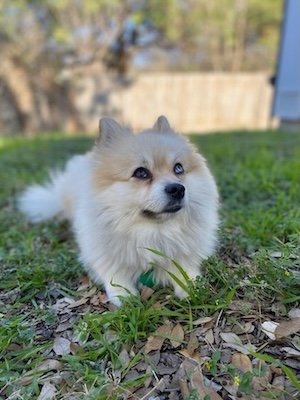
Major was more than a pet— he was family, my companion, and a constant source of comfort and joy. He was a throwback Pomeranian, meaning he was larger than the modern toy-sized Pomeranians most people are familiar with and more closely resembled the breed’s original size and build at 25 pounds. He also had striking heterochromia, with one eye sky blue and the other a soulful brown. His expressive eyes and gentle spirit drew people to him everywhere he went.
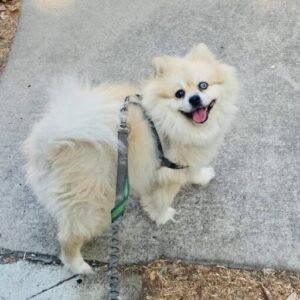
People were always shocked to learn that Major was adopted and that I was his third owner. He was my forever dog, and it was truly love at first sight. I seriously felt like I had won the lottery! When I picked him up, he jumped into my lap and rode all the way home with a look that seemed to say, “What took you so long?”
People were also surprised by Major’s calm, patient, and deeply personable demeanor because Pomeranians are not typically known for those traits. He was exceptionally tolerant, affectionate, and easygoing. He loved small children, was comfortable around cats, and genuinely enjoyed being around people. Children could tug on him or crowd around him — and they often did — and he would simply tolerate it with patience and trust. In the nearly eight years we were together, he never reacted aggressively toward a person or another animal
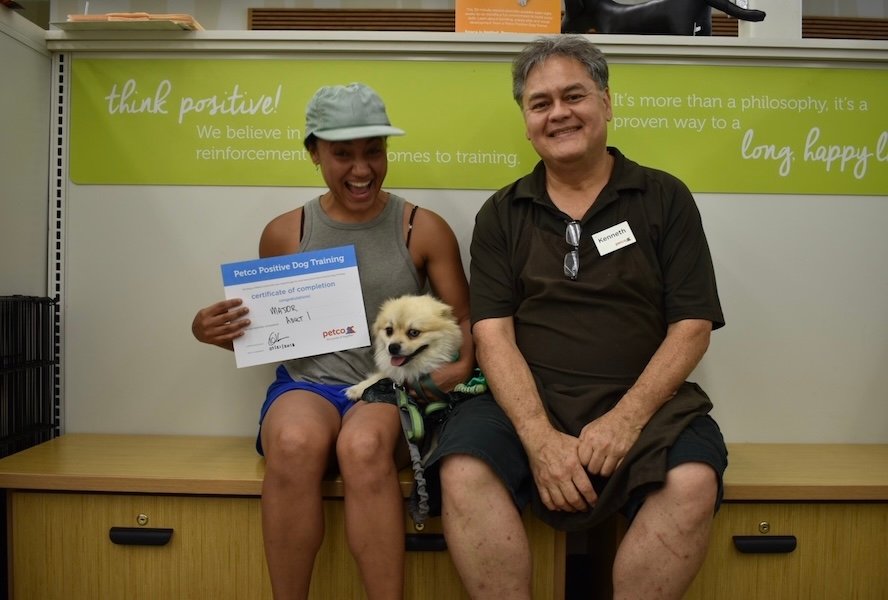
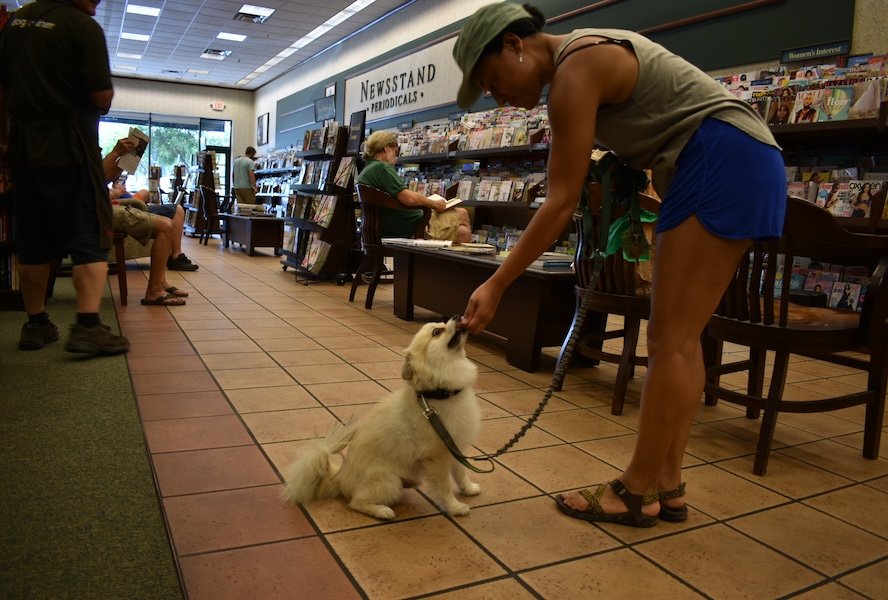
He especially loved being near the people he loved. Major was rarely far from me and never required a leash. He was extraordinarily obedient and was certified as an AKC Canine Good Citizen after we completed the training and passed the assessment. Whether accompanying me through daily routines, splooting nearby at home, or meeting new people or friends out in the world, Major had a calm and affectionate presence that left a lasting impression on everyone that ever knew him.
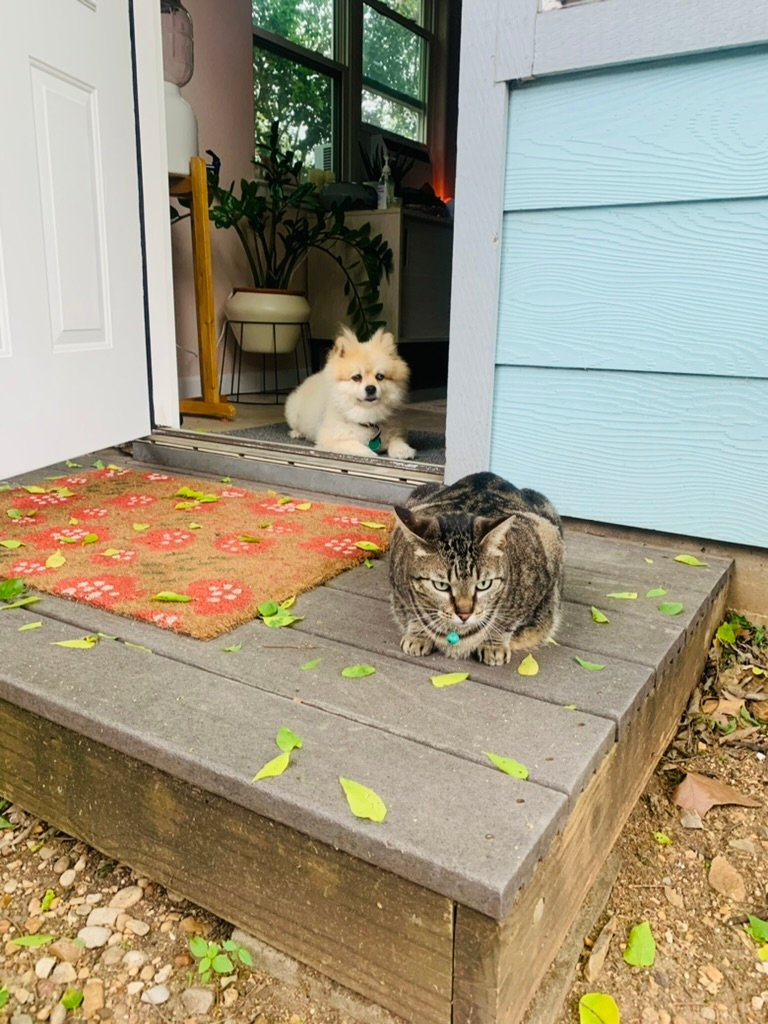
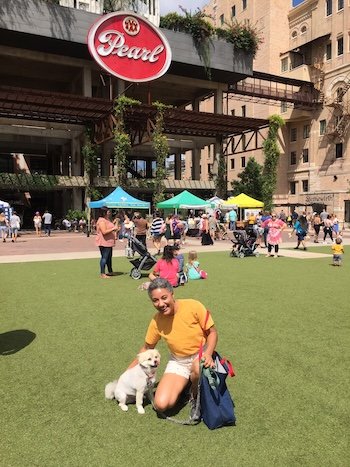
On March 2, 2026, Major was taken to a routine mobile grooming appointment. Prior to the appointment, he was able to walk normally and was active, alert, and fully engaged with his environment.
Immediately upon returning home, it was apparent that something was very wrong.
Major was unable to stand or walk independently and appeared to be experiencing severe neurological distress. The groomer who returned him appeared not to speak English, so no explanation was provided regarding what may have occurred during the appointment. I immediately called the owner but was told she was in a meeting and would get back to me later.
Concerned about his condition, I took Major to his regular veterinarian later that afternoon. He was given anti-inflammatory pills and I was told to monitor him, but no diagnostics were performed at that time. Following that appointment, his condition declined rapidly throughout the day. By that evening, he was still unable to urinate or defecate on his own and required emergency veterinary care. He had to be catheterized and was given methadone to help manage his pain. When his condition had not improved the following day, he was referred to a specialty hospital and a neurologist.
What followed was a devastating and prolonged medical journey involving emergency treatment, specialty veterinary care, pain management — including a fentanyl drip for several days — MRI imaging, a spinal tap, neurological evaluations, intensive monitoring, and ongoing attempts to stabilize his condition. Imaging and neurological evaluations indicated that Major had suffered severe bruising and contusions affecting the cervical spine and surrounding tissues.
For a period of time, there appeared to be some improvement. In the weeks following the injury, Major regained portions of his strength and mobility, offering hope that he might continue recovering despite the potentially life-altering nature of his condition.
As part of his treatment, Major had been prescribed prednisone to help manage inflammation and severe tissue trauma. After beginning to taper off the medication, additional complications emerged. Prednisone is known to contribute to insulin resistance in some cases, and on the evening of March 25, Major began vomiting repeatedly and was unable to keep food down. Overnight, his nose became extremely dry and he began having difficulty breathing.
The following day, bloodwork revealed that he had developed diabetic ketoacidosis (DKA), a life-threatening condition that occurs when the body stops producing insulin. Seemingly overnight, he developed Type 1 diabetes.
From there, Major required immediate intensive emergency treatment and hospitalization as veterinary staff worked around the clock over several days to stabilize the severe metabolic crisis affecting his body. Even through serious illness and pain, he remained gentle, trusting, and deeply connected to both me and the people caring for him.
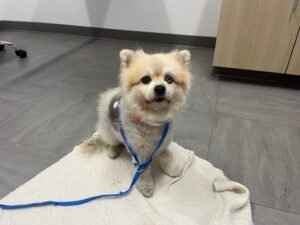
By this point, it had become clear that even if Major survived the diabetic ketoacidosis — which he ultimately never did — he would remain diabetic for the rest of his life in addition to the neurological and physical consequences of the original injury. Managing diabetes alone would have permanently altered the remainder of his life, requiring twice-daily insulin injections, a prescription diet, constant glucose monitoring, and ongoing intensive medical care.
After nearly a month of emergency care, specialist visits, medications, and constant monitoring, Major was finally able to come home with a glucose monitor attached to his shoulder along with multiple medications and insulin to manage. He required around-the-clock care, so my mom came to help me, and together we vigilantly tried to keep him comfortable while adapting to what had suddenly become our new reality.
On the second evening home, the night of March 31, 2026, Major began pacing and panting uncontrollably. He was entirely unable to settle or get comfortable. Once again, concerned about his condition, I called the hospital and was advised to bring him in immediately. Because the specialty hospital was too far away to safely reach in time, he was taken back to the first emergency clinic that had treated him earlier in the month.
There, he was immediately given methadone, underwent an ultrasound, and was found to be running a fever.
The extent of his suffering became overwhelming as he panted in my arms. The long-term reality of his condition became impossible to ignore, and when it became clear that he would likely need to be hospitalized again, I knew he had endured enough.
I am crying as I write this…That night, I made the heartbreaking decision to let him go peacefully.
Major’s story is deeply personal, but the hope behind Justice for Major is that greater awareness, accountability, and meaningful reform may help prevent future harm to other animals and families.
Groomers should be held to minimum standards of education and should be required to maintain liability insurance as well as report injuries or serious incidents that occur while animals are in their care. At this time, in many places, virtually anyone can become a groomer regardless of formal training or oversight. Ultimately, the owner of the grooming company refused to accept responsibility despite hearing directly from his neurologist.
Major was deeply loved, his life mattered and his story deserves to be remembered.
In memory of Major
— Tamara Scott
Founder, Justice for Major